Post 82: Critique Is An Opportunity (AKA What Can Happen When A Job Isn’t A Good Fit)

Do critical comments belong in the workplace?

This is a question I recently had to confront when my now former employer repeatedly took issue with posts I made on LinkedIn. I most recently posted regarding the Black Lives Matter movement, seeing it not as a political stance but a moral one, and therefore I could not equitably remain silent about oppression, even in “professional” spaces. I also previously posted a reflection of an experience I had in the workplace that left me frustrated and disheartened. I was careful in my wording, because there was a social media policy that I made sure not to violate, but that was not enough. HR came to me and asked me to remove the posts because they were “negative” and did not paint our client in a flattering light. 

Now, I’m not naive, I do understand the need to not bite the hand that feeds me, but it made me think…. should I, as an employee, be allowed to advocate for (in this metaphor) more nutritious food when it is available? The squeaky wheel is the one that gets the oil, after all. And calling out your employees when they share their passion for change and a craving for improvement seems a bit …problematic to me.

I will openly admit that I’m not as tactful as the company would have liked, I am blunt and score lower than average in “Agreeability” on a Big Five personality test. I care more about the things I say than what other people think of me, especially when I’m talking about things that are important to me. That did not align well with the much more mild-mannered ways of my colleagues. But when the automatic response to a bluntly worded but valid critique is silencing the critical voice for the sake of appearances —instead of addressing the issue it spoke up about— our priorities as an employee and employer are fundamentally misaligned. Cutting off voices that are raised about workplace concerns does not help the ‘appearance’ you are trying to maintain as an organization, it actually does the exact opposite. What’s more damning: admitting there is a problem so that it can be resolved, or hiding the problem and denying the presence of anything needing resolution? It’s an eerily similar dichotomy that I have seen playing out on a large scale recently: blind nationalism- saying your country is the best and can do no wrong; versus critical patriotism- loving your country, but acknowledging it has issues and striving to resolve them. One is toxic ignorance, the other is a change mindset.

But back to my original question, do critical feelings belong in a professional space? In the mind of that employer, my words had the power to infect an illusion they had built. They had negative value, they dealt damage like a weapon with a high roll in an RPG. My opinion was not complimentary, so it was dangerous by default. That is a unsustainable mindset for an organization to adopt, that can breed toxicity in the workplace.

So then what is a “nontoxic” company to do? After all, here I am pointing a finger at the wrong way to do things; so what do I think is the right way? Well, reflection and evaluation, for starters. That change mindset I mentioned earlier is a great springboard here. Look at your organization, examine your culture, are there any of the red flags Forbes listed here in your workplace? If so, what is the strategy for addressing them? Are you asking for employee input in this process? Are you listening to employee input? Critiques in general are not negative, and I hopefully won’t be the first to say that all criticism can be constructive, if you actually chose to reflect on it and implement reforms based on critical feedback.

A critique is not an insult, it is an opportunity for improvement.

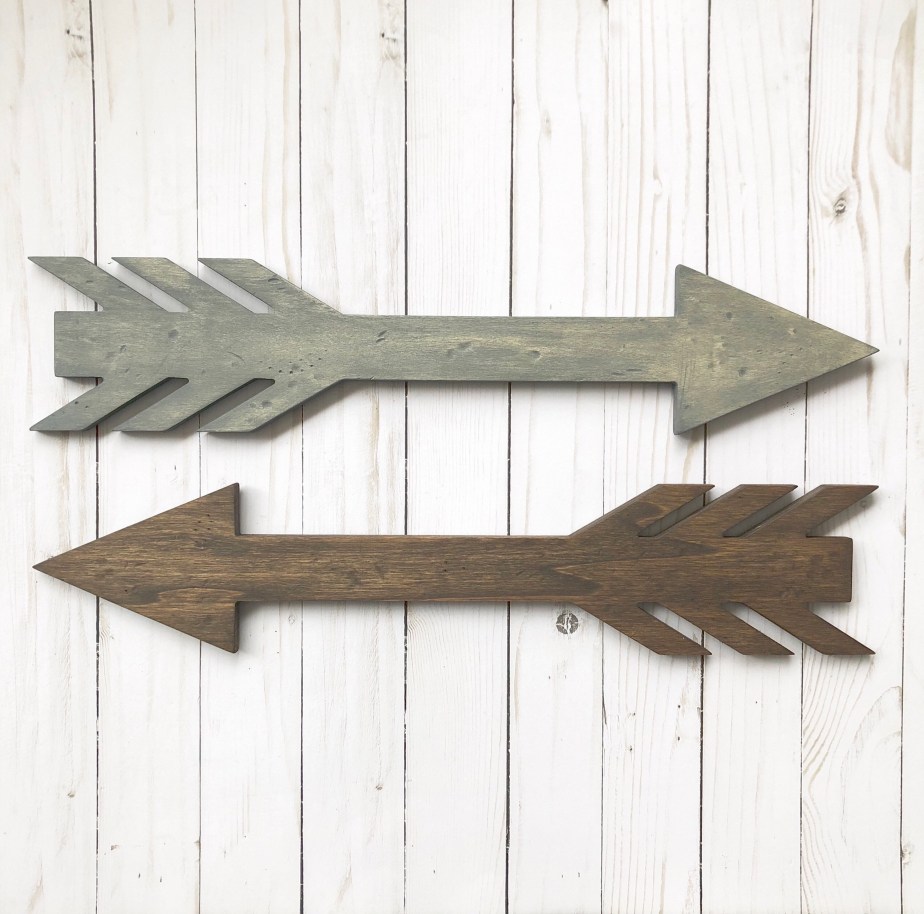
I had this quote emblazoned on my wall at eye level back when I was actually working in the office, and I thoroughly stand by it. I will be putting it up wherever I end up working next. Because I want to know when I am wrong! I will inevitably be wrong, likely quite often, and when I am, I want to be called out. You can’t address gaps in knowledge if you aren’t aware they even exist. I’m not arrogant enough to assume I will be shooting a bullseye every time, or even most of the time. That’s why I want people who are smarter than I am to correct me when I miss the mark, so that next time my aim will be a little bit better. That wasn’t how my company operated though. There wasn’t feedback (good or bad) in real time. Issues were recorded to be addressed later, not in the moment or even at regular intervals. There wasn’t a channel for that valuable two-way conversation.

One of the most frustrating things about the workplace incident I first posted about was that I identified my concerns directly and in-person before posting. I offered thoughtful suggestions that could be implemented to improve the situation in the future, but my advice fell on deaf ears; leadership was not interested in changing something that “wasn’t broken” and that’s exactly what creates a toxic workplace. Employees who identify problems and enthusiastically offer solutions but are ignored…will not stay enthusiastic for very long. They will either give up and become bitter, or they will leave. Because it is a fight they can never win, and I don’t know about you, but I don’t like impossible odds. I need a fighting chance; most employees do. So I left. It wasn’t the way I wanted to leave, and I have to come to terms with that. But it was mutual, because at the end of the day, I didn’t fit in a space where a soft tone of voice was more important than progress. Movers and Shakers get called that because they rock the boat, and now I know: I need to find a place where people aren’t afraid of making a few waves.

Post 81: In Hot Pursuit of Happiness

Why do we do things that don’t make us happy?

I’ve definitely boarded the Marie Kondo train here, but hear me out; why do we do things that don’t bring us joy, and often even make us unhappy? I don’t just mean the petty annoyances like a particularly long commute or coworkers who talk too loud around us, everyone has those sometimes. I’m talking about profoundly miserable I-wake-up-in-dread-because-I-hate-what-I-do unhappiness.

I know that I, for one, justify having a job I vehemently dislike with phrases like “the job security is nice” and “well the pay isn’t bad” but, here’s the thing: that rationale doesn’t stand up against thorough logical examination. Between the fact that there is no such thing as job security in the current climate of at-will employment and the reality that most pay increases are gained via the so-called “disloyalty bonus”; the truth is that staying doesn’t serve my career. Plus, if I spend all of the time when I’m not working complaining or stressing about work, I’m unhappy all the time, not just during business hours —my quality of life is impacted. The time off that the job I hate affords me is tainted by it. Staying in a position I hate is counterproductive!

Now I know this is a relatively new concept. Popular advice has not kept up with common practice, and every baby boomer who has never considered switching jobs will tell you that young people “want too much” out of a career. What gives?

My guess is that fulfillment and satisfaction on the job were simply not objectives for older generations in the workforce. They don’t care about the work they do, they don’t need to, they just want to put in their time and eventually retire. As the retirement episode of the fantastic and painfully relatable Bad With Money podcast so succinctly points out: the retirement model is based on the premise that you want to escape from your awful day job as soon as you can feasibly afford to leave! Work is the thing people do to make money so that eventually they won’t have to work. That seems pretty backwards to me.

I save for retirement because….well I dunno, that’s just what people do, right?

I also save because I’m scared. I need the safety net. Growing up with unreliable financial security has made me overly cautious when it comes to risking my financial stability. Funny how no one talks about the way your parents’ financial situation will impact your mindset for the rest of your life. We all learn how to handle money by watching our parents, and financial health is just as easily inherited from them as our eating habits. And, just like with our nutrition, unless we take the initiative to become financially literate and learn better habits, we will continue the cycle of being unhealthy.

If you’re like me, you had a moment of realization when your dad said “no one ever taught me how to manage money”  because—same— who else would have taught me? But here’s the thing, I learned. I taught myself. Because ignorance is NOT bliss when it comes to your credit score. Ignoring your bank account as if it’s a pot of water like the idiom says…won’t raise the balance any more than it will speed up the time it takes for water to boil. I used to do that, I would know. Wilful ignorance does nothing but harm your financial health in the long run!

I will now take this opportunity to viciously attack a pervasive misconception, so listen up. Ahem.

Checking your credit report or score DOES NOT have ANY effect on your number. I’ll say it louder for the people in the back, just in case they didn’t catch that the first time: CHECKING. YOUR. OWN. CREDIT. SCORE. WILL. NEVER. LOWER. IT!!

Just think about it for a second, it makes absolutely no sense to penalize someone for inquiring about their own finances. You have every right to know that, and all of the credit reporting bureaus are required to provide you your own full credit report for free once a year, so just ask! You have no excuse not to know what is on your credit report (not to mention it will help you catch/prevent identity theft and fraud). And in case you just want that number, here are 8 places to get your FICO credit score for free; which goes without saying that most credit card companies will provide their customers with free monthly credit score information as well.

End of PSA.

Knowing how your creditworthiness is evaluated and what that value is are the first steps towards developing better financial health, they are your diagnosis. The next step is harder— and less free. A ‘financial health treatment plan’ involves figuring out where your money is going so you can improve your spending habits. A hard look at your finances can be rough, and leave you feeling overwhelmed and poor AF. But, examining your behaviors and hangups with money is imperative to retraining yourself to have a more responsible mindset.

And yeah, it definitely sucks, y’all. I have some pretty heavy baggage when it comes to money. My feelings are ugly and deeply rooted in fear, shame, and guilt. I’m not the only one, of course; mental health is inextricably linked to financial security, that’s why there is such a thing as financial therapists. And yeah, it’s hard to let go of a job that is making me unhappy when it’s providing a safety net that I obsessively cling to. I always have a backup plan, an exit strategy. I am so paranoid about the worst happening that I sometimes forget to enjoy the best parts of the present. I feel a need to be self-supporting, it is integral to my self-representation, and the thought of losing that freedom and being forced to be wholly dependent on someone else completely terrifies me. Because it’s vulnerable, it’s dangerous, and there’s a risk of getting hurt by the people I lean on. But total self-reliance creates a lot of pressure not to fail. It can prevent you from taking risks on your passions because you’re always worried about the worst case scenario. It’s easy to feel like you have to go it alone, but that mindset is a trap— don’t fall into it.

I repeatedly have to remind myself that I have tons of support and encouragement from my chosen tribe of humans, all I have to do is ask for help when I need it. Not to mention the pleasure I derive from the accomplishments of people that I care for. There’s even a term for the happiness I experience from the success of others; it is मुदिता (mudita) in Sanskrit, and one of the four brahma-vihāra (sublime spiritual states) in Theravada Buddhism. The approximate English translation is empathetic or vicarious joy, an emotion that is felt unselfishly, without jealousy or begrudgery. The pure happiness felt in sharing the joy of others feels to me like succumbing to contagious laughter among close friends. I can’t help but be happy for them, and with them. They likewise cheer me on when I seek my own happiness, and advocate for me when I forget to do so. I find joy in seeing those I love happy, and they remind me to pursue my own satisfaction. I’m incredibly blessed to have my own community of awesome motivators and champions and associates and mentors who are invested in my success, I just forget that I deserve to pursue my happiness sometimes; I think we all do. So if you’re unhappy right now, I’m here for you —I’m here with you— and most importantly, I’m here to say:

You deserve better. You deserve to be happy.

Also, go check your credit score. Right now. Seriously.

Post 80: Hurry Up and Wait

Part of the process of improvement can sometimes, paradoxically, be a period of no progress.

There are moments in life when the best thing you can do is…nothing.

Maybe you put your career on hold because of an unexpected family emergency (or brand new family member, I get it, childcare is crazy expensive). Maybe you took a break from school to focus on your mental health. Maybe you stepped away from an emotionally exhausting friendship to relearn empathy. And recharging from a draining stretch at work can be essential to avoiding the very legitimate threat of burnout which has been shown in studies to impact productivity and creativity.

Taking a moment to step back, stand still, and evaluate movement towards your goals can also be vital to maintaining motivation and adjusting your strategies as needed.

Western, and particularly American culture can definitely demonize people who actually take breaks when they need them because “you just have to try harder” and I think that is a w i d e  l o a d of utter bullshit. We are all workaholics. We were taught that the road to success is traveled by gritting your teeth and hiking more miles than you thought you could, on tired, sore feet. The learned tactic is just put your head down and #PowerThroughIt. Everyone loves to show how “on the grind” they are… even as it’s grinding away their passion, energy, and human dignity. And the worst part? It’s a lie. Meritocracy is a fallacy and the system is rigged. If I had a dollar for every “self-made” millionaire who actually inherited their fortune (along with the privilege of being ignorant enough to truly believe they made their own way), I would be well on my way to being as wealthy as they are.

Because the hard truth is: working harder is not always the answer— or even an option. The American Dream is a powerful narrative, but people old enough to remember living through any number of recent crises know that it is fake. Owning a house is a poor measure of success when the cost of housing has so far exceeded the rate of wage increases in the last decade. We are, of course, bound to fail —the bar has been set impossibly high. Our grandparents —and maybe even our parents– had far fewer hurdles, and often times subsidized help, yet we are somehow expected to easily achieve the same level of success? Lazy is the last word I would use to describe my age group, and yet we are looked down upon because we have inherited a rigged game that we are expected to play and somehow win. We should try instead to focus on pursuing fulfillment, rather than someone else’s definition of victory.

Now, I can tell you firsthand that when you’re desperate for change, the quiet torture of pausing can be quite maddening. Rest can feel more draining than work when you’re anxious to make progress. Waiting is stressful! But frankly, patience is a vital skill that we could probably all benefit from attempting more often. I’m not saying it’s an easy undertaking. Some days I feel like a zen master; others, a bored and inattentive 8-year-old. Patience requires practice, like any other character trait worth having.

So take a moment, stop and catch your breath. Maybe just spend a day “buffering”  if you can, and remind yourself why you bother in the first place. Good things will come to those who wait.

Post 79: Nothing to Be Ashamed Of

Everyone has embarassing moments.

I know, insight of the century, right?

But it seems like we always pretend to have everything figured out, like we’ve never accidentally used the wrong soap in the dishwasher and created a bubble disaster all over the dorm communal kitchen. Oh, that was just me? Uh, move along then.
That’s my point though, we don’t own up to our embarrassments if we can help it. We cringe so hard at the memory of doing that ridiculously cheesy thing for an ex who, let’s be real, did not really earn that level of effort. We try not to think about painfully awkward things we’ve done or said; you know, the ones that pop into your head when you’re trying to fall asleep at night. We attempt to forget about those regrettable moments; there’s literally hundreds of songs about it, usually involving copious alcohol consumption (spoiler, it doesn’t work).

I think we should try leaning in to our past even if it’s embarassing. While embarassment is socially and mentally useful, we don’t have to let those mixed feelings of silliness and shame define us, or worse, keep us from doing good things in the present. Part of our story is who we used to be, and I think we can learn a lot from our former selves.

Maybe you used to be an obsessive fangirl for ~that one band~, but now you hide all their memorabilia in a box under your bed and skip those songs when they come up on shuffle. Why hide that part of your past? Just own it! It’s part of your origin story now. I, for one, am kind of jealous of the fanatics. I’ve never been that level of passionate about anything. I know a little about a lot, but I’ve never had the motivation to know everything about a single topic. I’ve never lost my shit over a season finale. I’ve never stayed up all night for an iPhone release. I’ve never memorized a set list or been overjoyed about “my team” winning a championship game. Not to imply in any way that I am somehow better than the people who have done those things, that stuff takes a lot of time, energy, and dedication. I have a few dozen causal interests but not enough dedication to call myself a fangirl of anything.
Now, there are totally still things I’ve done that I look back on with chagrin; but I don’t see the point of trying to hide them. They are ghosts, not skeletons I’ve stuffed in a closet. I have been angsty and melodramatic online. I have been wrong. I have lost arguments. I have changed my mind, and changed it again. I’ve tried out wildly different styles and personas. I stood by them at the time, so what if they aren’t “me” anymore? I have an aggressively cheerful intro video posted on a college ‘Class Of’ Facebook page somewhere. Am I going to troll back through my social media footprint to find and delete it? Nope. Because it’s a representation of who I was at the time, or more accurately, who I wanted to be. And there’s something very Zen about acknowledging what I think of as previous editions of myself, they were part of my journey to my current identity, and I am thankful for them. I am reinventing myself all the time, and that’s perfectly okay. There’s a passage from Self Reliance that I always come back to, that I think represents this idea perfectly:

“A foolish consistency is the hobgoblin of little minds, adored by little statesmen and philosophers and divines. With consistency a great soul has simply nothing to do. He may as well concern himself with his shadow on the wall. Speak what you think now in hard words, and to-morrow speak what to-morrow thinks in hard words again, though it contradict every thing you said to-day.”

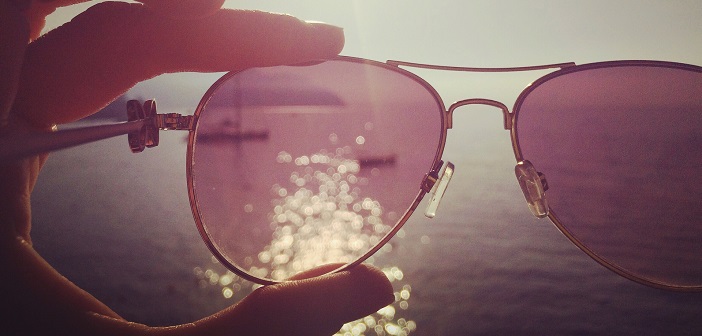
So you’re a different person today than you were yesterday, or last week, or ten years ago; so what? In fith grade I wore unironically pink tinted eyeglasses that I KNEW were the raddest thing ever, and bless my parents for letting me make my own choices, even when they weren’t terribly sound. I changed my stance on that particular fashion statement, thankfully. I stopped seeing things through literal rose-colored lenses… and no one really cared! That’s part of growing and growing up. I would be worried if that weren’t the case, it would mean that we have done nothing that challenged our thinking or allowed room for personal growth or development. So don’t sweat it, everyone gets redfaced once in a while. But acknowledging when you were misinformed, or young and rash, or unprofessional? That’s nothing to be ashamed of.

Post 76: I Don’t Know (Yet)

Ah, good ol’ undergrad.
We definitely tend to romanticize our time in college, don’t we?

Those four-ish years were an intense and formative time in most people’s lives so it’s no real surprise that looking back we get a little wistful. Wasn’t it just a blast, that magically carefree space between childhood and adulthood? Wishing for that back is tempting. We miss the easy friendships-of-convenience, the abundant opportunities to explore new interests, the freedom and independence, the electric excitement at the big game, even the bittersweet end of a semester. Oddly, we often simply gloss over the education part of the collegiate experience.

Learning was the whole point though, right?
Yet we almost instantly forget the fact that mastering a new skill or subject is
hard work. The strenuous mental labor involved in creating new synaptic pathways fades rapidly from the fond memories of our time in school.

Learning is a chore, not a walk in the park. Anyone who has tried taking up a new language or hobby as an adult can attest to that. Beginning a new skill tree is fun at the offset but the endeavor ultimately sucks. Because beginners suck. Neophytes have to start somewhere, and it’s usually at the bottom bracket. Months of grueling mediocrity come before mastery, if mastery is even achieved at all. The sweet taste of victory is built on a foundation of willpower and repetition. We don’t get to grin from the podium before gritting our teeth through countless drills and practices.

So, while I do genuinely enjoy learning, I’d be a sucker if I expected it to be effortless.
I’m a work in progress—and that progress can be slow. The grinding pace might feel very arduous when noticeable improvement is incremental. My goals seem impossibly far away some days and I get frustrated by my personal obstacles and my mercurial motivation. I sometimes forget everyone has those awkward in-between parts. The half-way-decent athlete, the almost-eloquent political aspirant; we are all going through stages of personal growth. No one is ever really done improving. I dream of becoming my ideal self, having my dream job, effortlessly writing the perfect prose. But in the meantime, I’ll admit that I can be a half-baked human bean sometimes. I won’t always know the answers or even how to find them. But not knowing is not an excuse, it’s an opportunity to ask questions.

My quest for wisdom and expertise—to scale the mountain of mastery, is a journey I am proud to be on. I hear the view from the top is awesome.
I’m not there yet, but I’m on my way.

Post 78: Brave New Worlds and Rediscover Old Ones

Unlike the protagonist in the Aldous Huxley novel of a similar name, I am proud to be enthusiasticly curious rather than a misanthropic Luddite. I am an explorer, I seek new experiences and love discovering previously unknown joys. Change is exciting, and the possibilities in an unknown place seem limitless and hopeful. I chase those possibilities, that feeling. The mix of sensations that newness triggers is wholly unique, both good and bad. The flash of anxiety when utterly lost in an unfamiliar city. The distinct exhaustion and sensory overload of culture shock after a long but amazing day. Travel is harrowing. And rewarding.

But adventure and misadventure are often only a few degrees of heading apart, and in my recent wanders I have definitely navigated both. After years of proudly holding a passport, I finally got to use it this month. My trip to Paris was intoxicating and magical but certainly took more than one unexpected turn. I saw so many beautiful and breathtaking sights. I ate so much delicious food, learned so many new and fascinating things, and even got the so-called ‘full tourist experience.’ As they say, no plan survives first contact and unfortunately, on the second day of a week-long vacation, my phone was pickpocketed right under my nose.

Suddenly I was across the planet and living in low-fi.
It was both freeing and frustrating. I was liberated from the annoyingly-agreeable twinge of obligation to respond to messages as soon as I got them because, well, I wasn’t getting them.
I butted heads with the reality of rapid changes in weather and equally unpredictable business hours. I suddenly had no way to double check these mundane details.
I found myself bored and forced to reflect on it instead of distracting myself with my own tiny entertainment center.

I was more aware of everything around me and essentially unable to access anything elsewhere. I would wager that I ended up being present in a way I wouldn’t have been with a screen in my hand and a camera always in my pocket. I had just my own enjoyment in each new escapade or disappointment in oversold wonders to focus on. I saw things without snapchat filters or instagram captions for the first time in probably too long.

I missed my little supercomputer more than I would have thought, but also less than I expected. I definitely didn’t have some moment of enlightenment where I swore off a pocket full of distractions, but I am more grateful for the incredibly powerful tool we often take for granted nowadays. My handheld translator, locator and navigator, long-distance communicator, convienent fount of knowledge and endless information that I very rarely use as an actual so-called-telephone is really useful, who knew?

So will I swear off crowded places now, because I don’t want to fall prey to sticky fingers? Unlikely. Will I start wearing a fanny pack when I travel? Probably not. Will I leave my phone off or even at home once in a while so I can be present to better enjoy my adventures?
Yeah, I actually think I will.

Post 77: When Nothing Goes Right, Go Left

Have you ever noticed that no one likes to talk about their struggles in the present tense?

We all like to wax poetic reflecting on the great adversity we have conquered in our lives…..after the fact. When said adversity is a skeleton in the grave, we seem so wise and experienced looking back on harder times. But no one ever talks about the current and bloody battles they face. Not unless they are joking about how “sooo broke” they are at brunch. People don’t really share their immediate insecurities about their rocky relationship. No one talks about the acute anxiety of waiting to hear back about those important lab results.
And who admits that they have to move unexpectedly because they didn’t get the job and all their freelance work dried up?

Me, I guess.
Hello everyone, my name is Elizabeth Blake and I am a failure.

Okay, maybe that’s a bit melodramatic but still. I am currently the definition of a Hot Mess™ and it sucks. As my kind and supportive big sister so insightfully put it: “your life isn’t actually over, you’re just in your twenties. Everything feels like the end of the world because you don’t have the life experience yet to know that it’s not.” And I bet she’s right, She’s pretty smart, after all. But wow, no one tells you how bad it feels to be forced to admit failure when you went on about how you were going to make it on your own. My pride still smarts from that humbling moment.

“I was wrong” is such a powerful and painful realization but it was so necessary. I’ve had to reevaluate my choices. Be vulnerable and ask for help. Change my trajectory.
Like that pun I saw on a shirt years ago says: when nothing goes right, go left.
If none of the doors you try are unlocked, change tactics; start looking for the keys!
For me, as paradoxical as it seems, admitting defeat was my first step away from a catastrophic meltdown.

So my job gamble didn’t work. I lost some money and gained some insight. Call the experience a life tax. Mistakes always cost something, that’s what we learn from, that’s what reminds us of them down the road. The shame is the proof that I am smarter now, I know better. And after all the tears and angst, at the end of the day, I know that admitting I was drowning and grabbing onto the life preserver was the right call.
It’s time to climb aboard and adjust course. But first I’ve gotta go pack.
Here’s to looking left, mates.

Post 63: Do What Scares You

I have a confession to make: I’m scared of failure. I’m scared of rejection too. I avoid doing things if I don’t think I can succeed. I don’t allow myself to want something if I don’t think I can have it.

And I have an even bigger confession to make: it doesn’t work. I still want things—big, scary, wonderful things—that I can only dream of ever having. I still stick out my neck and dream too big, aim too high, and fall down face first when I get shot down. I want to travel the world but student loans loom over my head and “responsible adults” don’t waste their money on train tickets when there are bills that can be paid off instead. I dream of doing cool and amazing work at cool and amazing places but I have a toxic sinking fear that my work is not good enough, my words are not polished enough, I don’t have the right look, the right vibe, the right portfolio of work to ever run with the big dogs so I put off internship opportunities and applications. I suffer from rare but crippling bouts of self doubt and I, like most artists, crave validation because my imposter syndrome tells me that I’m just not good enough.

And yet my best work is all stuff I was afraid to show anyone.
But that’s the thing, isn’t it? That’s the secret ingredient. As Brené Brown says in her one of her amazing TED talks:

Vulnerability is the birthplace of innovation, creativity and change. To create is to make something that has never existed before. There’s nothing more vulnerable than that.”

So as Victor Hugo said, “if we must suffer, let us suffer nobly.” Therefore if I must fail, let me fail spectacularly and learn all the more from it. If I am rejected, let it be painfully blunt so I can get up a move on. And if I’m under-qualified let me be brave and/or stupid enough apply anyway, because the worst they can say is no, which is always the answer when you’re too scared to even ask. Because being vulnerable means I am courageous enough to try.

Post 75: Hone Your Craft

Insight is defined by OED as “an accurate or deep understanding; illumination; revelation.” My definition goes a bit farther, as I consider insight to be all of the above but also “a truth that seems obvious once stated.” Insight for me is that Ah-ha moment that you get when you realize something that was probably staring you in the face the whole time. It’s the lightning strike during a creative brainstorm. It’s the foundational nugget of wisdom that makes you reevaluate your method of thinking a little. It gives you goosebumps and makes you excited and it’s pretty much what advertisers live and die for.

So how can a person like you or me develop their ability to find insight, to reach enlightenment or revelation? When your craft is creativity, how do you hone it? How do you ‘practice’ discovering ideas? Well, that question is actually fascinating to neuroscientists because creativity involves creating NEW connections between synapses. We get inspiration, we have ideas, and it makes us smarter! When we learn new things, we create new dots for our brains to connect when we need it. I’ve sort of always had this hunch and I even found a quote by Steve Jobs about it. He put it really well:

“Creativity is just connecting things. When you ask creative people how they did something, they feel a little guilty because they didn’t really do it, they just saw something. It seemed obvious to them after a while. That’s because they were able to connect experiences they’ve had and synthesize new things. And the reason they were able to do that was that they’ve had more experiences or they have thought more about their experiences than other people.”

And there are lots of ways to do that. Reading books that challenge our current knowledge and understanding of concepts helps us make new dots to connect. Talking to new people can do the job too. Sometimes we have all but one important piece to a puzzle and talking to a designer friend, reading a news article, looking at a piece of art, or just about any seemingly random experience can be just what we need to discover that final missing aspect of a great idea. Because creativity doesn’t happen in a vacuum. So go to that new exhibit at the museum! Listen to new music, explore the places you visit, and gather new experiences like an artist gathers raw materials for a new project. Fill your toolkit with unique and interesting endeavors so you’ll have that much more to work with when you need a brain blast. Take a class, learn a new skill, have fun improving yourself and become a better creative in the process. It’s a new year, after all, so go for it!


Post 74: Can You Read Me?

If your life was a book, how would it read?
If the story of you was told with words and pages, what would it be about? Would it be pulp fiction? Nonfiction? Action? Comedy? Romance? Would it be a self-help five-step wonder-guide or perhaps more of a reflective memoir? Would it be factual or fantasy? Would it be interesting?

It’s probably just my nerdy copywriter brain, but I think about this often. I wonder if my book would be all of my tweets compiled into an ironic coffee table book of late-millennial-musings. Or maybe it would be the biography of an obscure hero, mostly lost to history. That book would be written, of course, by one like myself; who takes notice of those not in the limelight, but running the show from backstage. Maybe it would be a choose-your-own-adventure like the cheeky “autobiography” by Neil Patrick Harris. I think I’d definitely want the book of me to be at least kind of funny. (Wow, if that isn’t a hopeful self-characterization. “Hi, I’m at least kind of funny.”) But I guess the real question here is deeper than my game of “what if” during a perusal of the sections in my local Barnes & Noble, it’s actually asking:

“What do I want to be remembered for?”

And honestly folks, that’s a pretty damn relevant question for an aspiring professional trying to find her place. The answer to that question will in a lot of ways shape the twists and turns that my career path will take because it asks who I eventually want to become. What will people remember about the person I become in a decade? What will my peers recollect about me years from now? What they think of when I come to mind? What impression did I leave? Was I hardworking? Creative? Kind? Did I make people smile and laugh? Did I put them at ease by creating a safe space? Did I help when they needed it? Was I a leader?
I hope the impression was positive overall, but I’ll probably never really know. That doesn’t mean asking myself what kind of person people see me as isn’t an important exercise. Because, whether I think about it or not, my actions do affect my results. And I take my behavior seriously because I understand that it impacts those around me here and now but it can also hurt my chances for things down the line. If ten years from now an old group project partner is in charge of recruiting somewhere, and all they remember about me is how much our project sucked, then I’m definitely not going to get the job. That’s not okay. I want to be a good person now because it’s the right thing, and because it’s an investment in my future opportunities.

But back to the question, I want to be remembered for…the things I endeavor to be. Generous with my time. Kind to those who are often overlooked. Collaborative and creative and passionate. Open to new experiences. Thirsty for knowledge. Ready to learn. Accepting of criticism. These are the traits I strive for and want to be admired for. Characterizations of a woman slightly better than I am, but one I aspire to embody.
I want to be remembered for always trying to improve. Never giving up. Being smart and fearless and above all honest. Because I make mistakes, just like everyone else. I don’t know everything. But the first step of understanding something new is admitting that you don’t already know. So yeah, I want to be the person who asks the stupid question because she needs the answer in order to not be stupid anymore. I want to make sure that we are on the same page and that means communication, not assuming or bluffing, just unpretentiously asking.

So maybe my book will just be a list of all the questions I’ve ever asked. Because my dad taught me that if you never ask, the answer is always no. And that a desire to know is never a bad thing. Maybe that’s why I’ve had former supervisors remember me for my “HEALTHY curiosity” when I was never hesitant to ask “why?” sixteen times every day. Because I wanted to know. I had the desire to learn and understand. That’s why the book of me will be a book of questions, and I’ll call it “Out of Curiosity” because that is the answer I give to every sarcastic mimic in response when I repeatedly inquire about pretty much everything. Why do I ask? Out of curiosity.
I like that. It has a circularity to it. A nod to where this all started: a fun, offbeat class called curiousness where I honed my creativity and started writing this very blog. Can you read me?